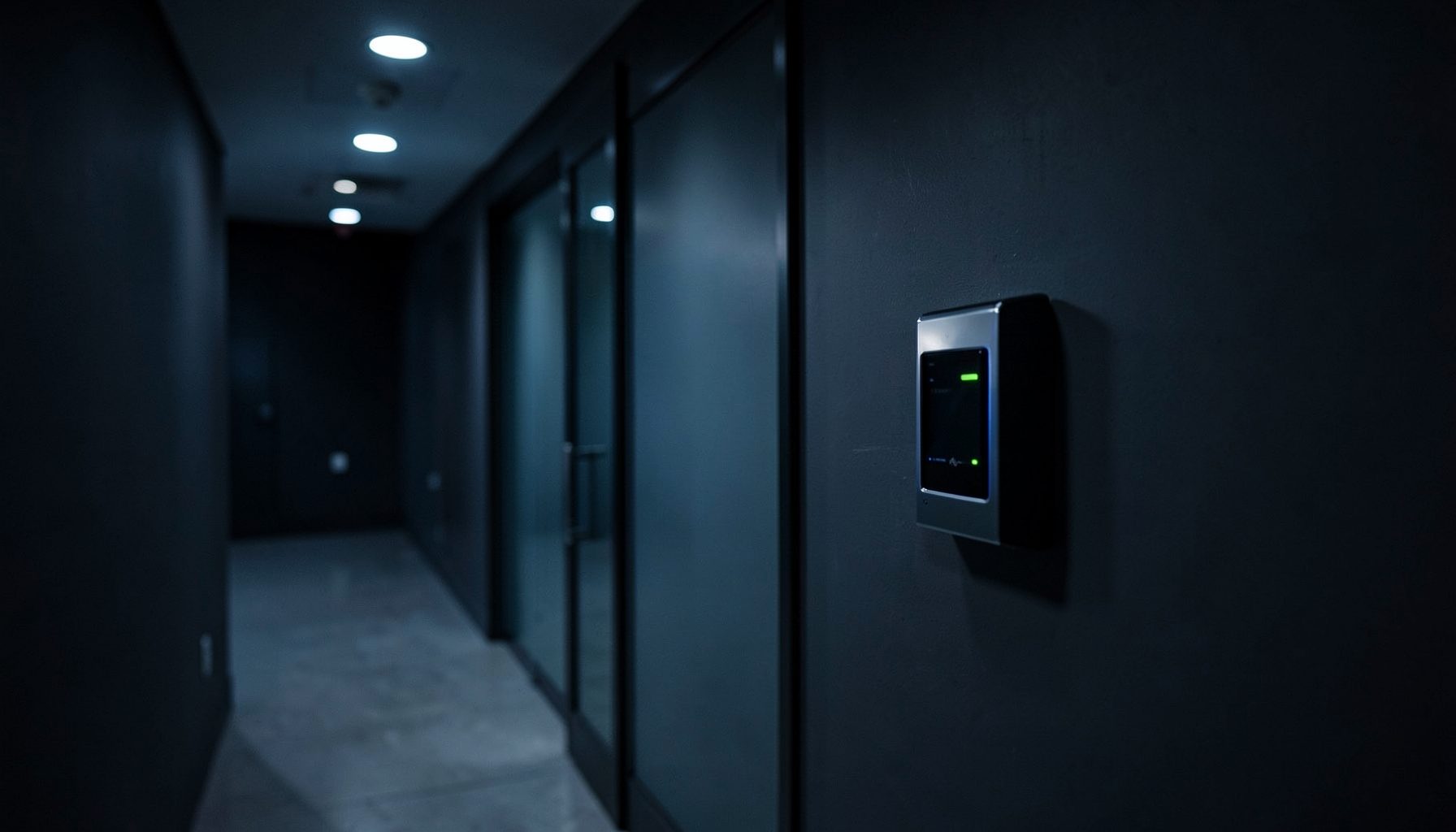
Security is a priority for any business or property. An access control system offers a structured way to manage who enters a building, when they enter, and which areas they can reach. Rather than relying on traditional locks and keys, these systems use electronic credentials — keycards, PIN codes, or biometric data — to grant or deny entry.
Why Access Control Matters
Unauthorised entry can lead to theft, data breaches, or damage. An access control management system reduces these risks by restricting movement to authorised personnel only. It also creates a digital record of every entry and exit, giving property managers a clear audit trail.
Key Benefits
- Restricted access: Limit entry to sensitive areas such as server rooms, storage, or executive offices.
- Time-based permissions: Grant access only during specific hours or shifts.
- Remote management: Many systems allow administrators to adjust permissions from a central dashboard.
- Integration: Access control can work alongside CCTV, alarm systems, and visitor management tools.
Choosing a System
When evaluating access control options, consider the size of your property, the number of users, and whether you need standalone units or a networked solution. Cloud-based systems have become popular for their flexibility and ease of updates.
Providers such as SECOM offer access control management services in Singapore, helping businesses implement tailored solutions that fit their security requirements.
Explore More Topics
Return to the homepage for articles on architecture, wellness, shipping, and more.
← Back to Home